

Key Takeaways
Cost-Per-Use
Cost-per-use is a way of measuring what you actually pay for something by dividing its total price by the number of times you use it. A $10 item you use once costs $10 per use. A $60 item you use 200 times costs $0.30 per use. This framing shifts the question from "what does it cost to buy?" to "what does it cost to own?"
Total cost of ownership (TCO) extends this further by factoring in maintenance, consumables, repairs, and eventual replacement - categories that often exceed the original purchase price over time.
The Sticker Price Illusion
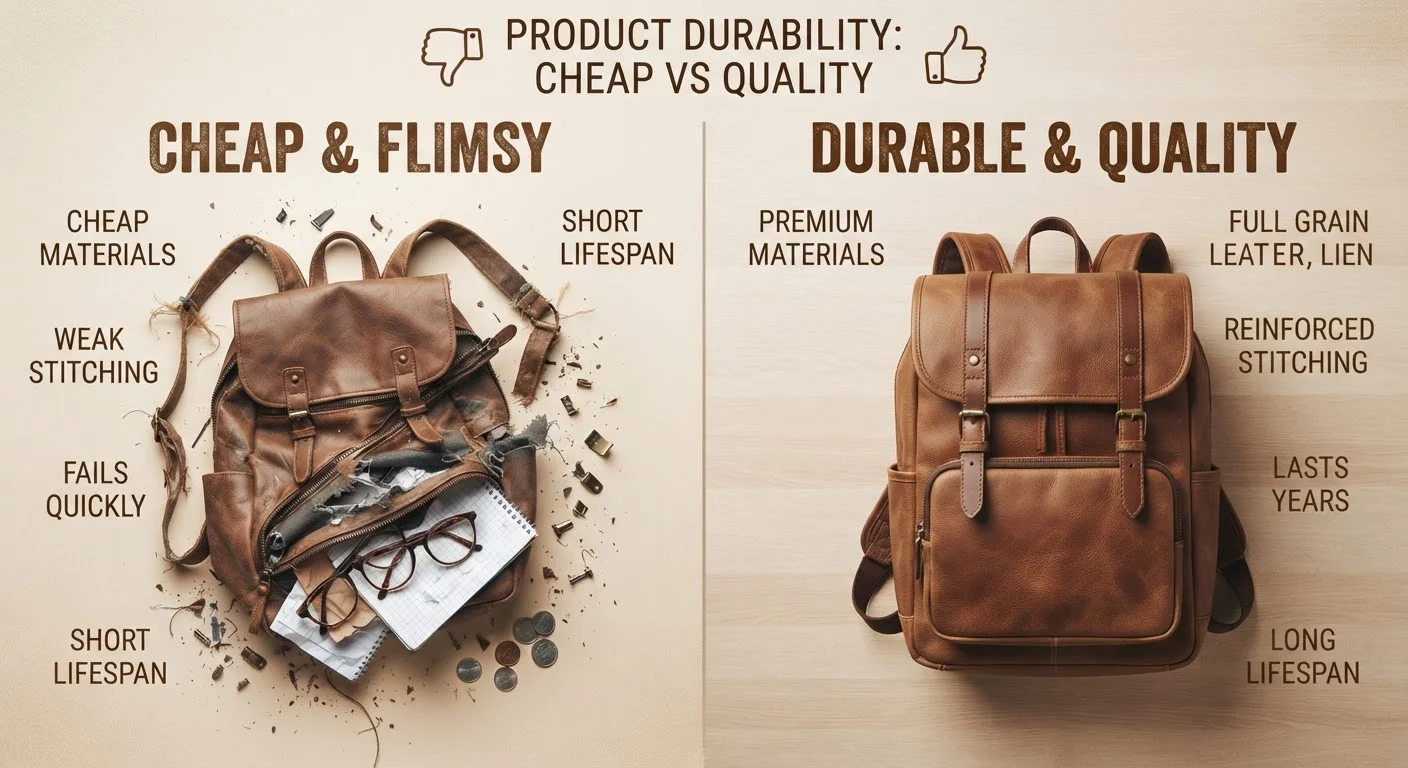
When a product is marked $15 instead of $45, it feels like a clear win. But that gap at checkout can quietly reverse itself over months of ownership. The sticker price is only the first payment - what follows can include replacement costs, consumables, repairs, and the hidden cost of your own time dealing with a product that underperforms.
This is sometimes called the "cheap tax" - the premium you end up paying for having chosen the least expensive option. It's not a universal law, but it's a reliable enough pattern that understanding it is worth the few minutes it takes. Price and value are not the same thing, and the difference between them tends to show up after the purchase, not before.
Run the Math Before You Buy
Before choosing the cheapest option, estimate how long you expect the item to last and divide the price by projected uses. Then do the same for a mid-range alternative. This quick calculation often changes which option looks like the better deal - and takes less than two minutes.
How Cost-Per-Use Reframes the Math
Cost-per-use turns a one-time price into a rate, which makes comparisons far more honest. A $25 kitchen knife used three times before it becomes unusable costs more per meal prepared than an $80 knife still sharp five years later. Neither price is inherently right or wrong - the question is what you actually get per dollar spent over the product's real lifespan.
The formula is simple: total cost ÷ number of uses = cost per use. "Total cost" should include anything you had to buy to make the item work - batteries, filters, installation hardware, or mandatory accessories. Once you run this number, cheap options that seemed obvious often look different, and occasionally, expensive options that seemed justified look less so.
For a fuller picture of what you'll spend over time, total cost of ownership adds up every downstream expense, including maintenance and eventual replacement, into a single comparable figure.
3×
Replacement frequency for low-quality items vs. durable alternatives
Consumer research consistently finds that lower-quality household goods are replaced significantly more often, multiplying lifetime spend beyond the initial price difference.
~20%
Of product cost often tied to consumables and accessories
Industry analyses of categories like printers, razors, and vacuum cleaners show that ongoing consumable costs frequently exceed the original device price within two to three years.
Where This Pattern Shows Up Most
Certain product categories are especially prone to the cheap-turns-expensive dynamic:
- Tools and appliances: A lower-cost version may use cheaper motors, seals, or components that fail under regular load. Replacement - rather than repair - is often the only option.
- Footwear: Shoes without adequate support or durable soles tend to wear out faster and, in some cases, can contribute to foot and joint discomfort over time.
- Consumables with variable yield: Printer ink cartridges, vacuum bags, and replacement filters vary widely in how much output you get per dollar spent. Unit pricing is the right tool for comparing these.
- Recurring subscriptions with free tiers: A free or cheap plan that limits functionality can push you toward paid workarounds. Subscription costs accumulate in ways that aren't always obvious at sign-up.
The pattern is less about price level and more about how well a product's quality matches your actual use case.
When the Cheaper Option Actually Is the Right Call
This framework cuts both ways. Overspending on durability and features you won't use is just as inefficient as underspending and replacing frequently. If you need a folding table for a single event, a $30 option is probably the right call. If you're buying running shoes for daily training, skimping on construction is likely to cost more - in money and comfort - by the end of the year.
The practical test: estimate how many times you'll realistically use this item and over what period. If the use frequency is low or the item is inherently disposable, the cheaper version often wins outright. If frequency is high and longevity matters, run the cost-per-use math before deciding. A complete price comparison also includes warranty terms, return policies, and the cost of shipping replacements - details that shift the calculus further.
Building the Habit of Looking Past the Tag
Retailers and marketers are skilled at making low prices feel like the obvious choice. Pricing psychology tactics like anchoring and urgency messaging are specifically designed to make the sticker price feel like the only number that matters. Slowing down to ask "what will this cost me over the next year?" is a simple but effective counterweight.
For everyday consumables, bulk purchasing can lower per-unit cost - but only if you'll actually use the quantity before it expires or sits unused. Every purchase involves a trade-off between money, time, and future flexibility, which is why opportunity cost is worth factoring into bigger decisions. The cheapest option upfront is sometimes the most expensive choice over time - and knowing when that's true puts you firmly in control of your spending.