
Opportunity Cost: The Financial Concept That Changes How You See Every Purchase

Key Takeaways
Opportunity Cost
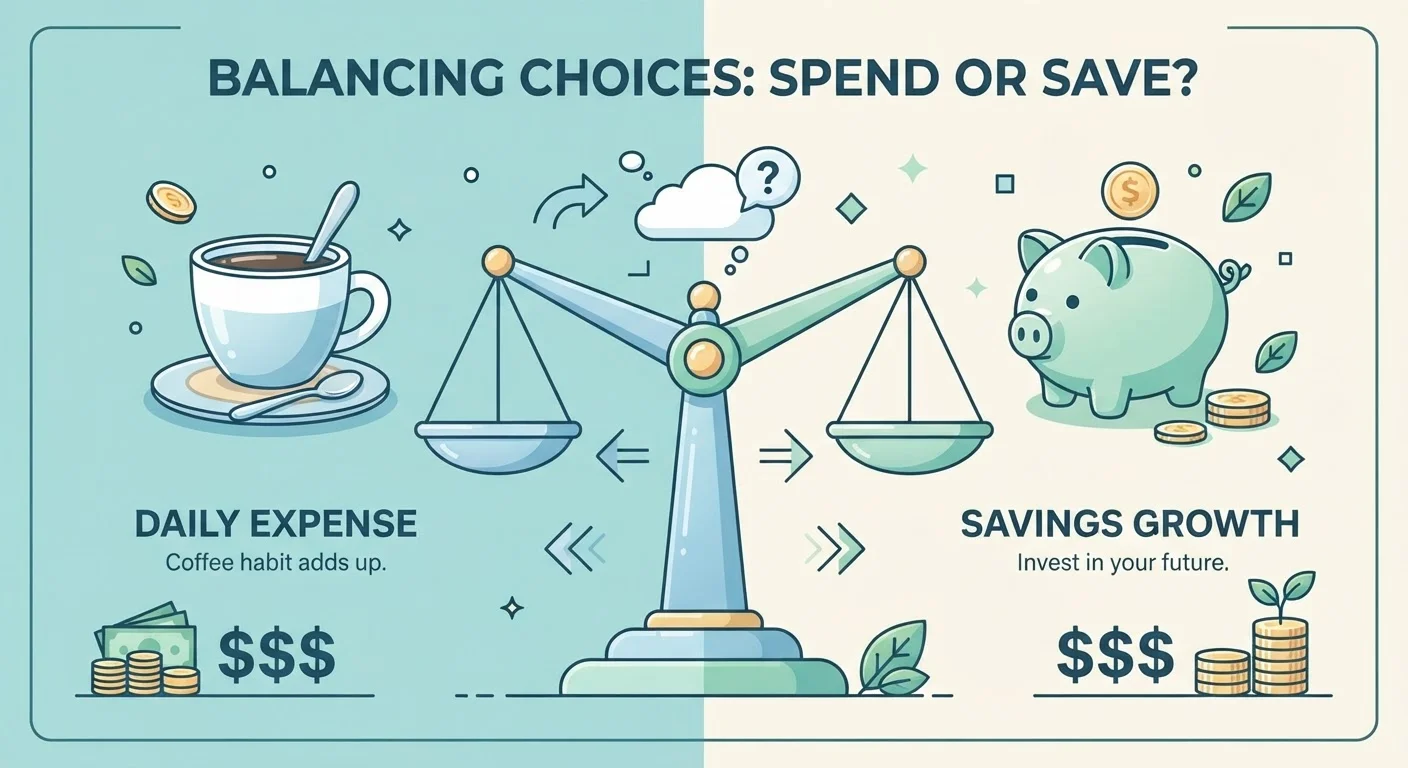
Opportunity cost is the value of the next-best option you give up when you make a choice. In personal finance, it means that every time you spend money on one thing, you're implicitly deciding not to spend it on something else. That foregone alternative - whatever it was worth to you - is the opportunity cost.
In economics, opportunity cost encompasses both explicit costs (actual money spent) and implicit costs (value of time, resources, or forgone returns). It is a foundational concept in rational choice theory.
Why Economists Don't Actually Think in Dollar Signs
When an economist looks at a purchase, they're not just asking "How much does this cost?" They're asking "What am I giving up to get it?" That second question is the heart of opportunity cost - and it's a lens most everyday shoppers never apply.
The concept is straightforward: resources are finite. Money spent on one thing cannot simultaneously be spent on another. The moment you swipe your card or tap your phone to pay, you've made a choice - and implicitly rejected every alternative use of those dollars. The value of the most compelling alternative you didn't choose is your opportunity cost.
This isn't academic abstraction. Understanding the trade-offs hidden inside every transaction is exactly what separates reactive spending from intentional spending. As the wants-versus-needs distinction illustrates, most spending decisions involve more judgment than they first appear to.
“The real cost of anything is the opportunity cost - what you give up to get it. Recognizing that every choice excludes other choices is the beginning of genuine financial literacy.”
— Gregory Mankiw, Economics professor and author of widely used introductory economics textbooks
The Question That Reframes Every Purchase
You don't need a spreadsheet to apply opportunity cost thinking. You need one question: "What is the most valuable thing I'd do with this money if I didn't spend it here?"
That question forces you to surface your real priorities. If you're considering a $600 appliance upgrade, the opportunity cost might be six months of contributions to an emergency fund. If you're debating a $15 monthly subscription, the opportunity cost is small in isolation - but patterns of small spending can quietly compound into significant foregone value over time. Spending patterns that quietly drain budgets often work exactly this way.
It's also worth noting that opportunity cost runs in both directions. Choosing the cheapest option available isn't automatically the wise move - if a low-price item fails quickly, you lose both the money and the time spent replacing it. The cheapest option is often the most expensive choice when total value over time is factored in.
Make the Trade-Off Visible Before You Spend
When weighing a non-routine purchase, try writing down the single most valuable alternative use of that money before you decide. Making the trade-off explicit - rather than leaving it abstract - tends to produce spending choices people feel better about afterward. It takes thirty seconds and costs nothing.
Opportunity Cost in Practice: Four Scenarios
Abstract concepts become habits only when you see them applied in situations you recognize. The examples below reflect common decision points where opportunity cost thinking adds genuine clarity.
~70%
Americans living paycheck to paycheck
Multiple surveys, including those from LendingClub's Paycheck to Paycheck report, have consistently found a large share of U.S. adults have little financial cushion - making opportunity cost trade-offs more consequential.
$1,000+
Average annual U.S. subscription spend per household
Research from various personal finance analysts suggests many households underestimate recurring subscription costs, which collectively represent significant foregone alternatives.
Applying It to Bigger Financial Decisions
Opportunity cost scales up seamlessly to major financial choices. Consider a home purchase: the down payment represents not just a transfer of savings into equity, but foregone investment returns on that capital over the years it sits in the property. Neither outcome is inherently wrong - but understanding the trade-off leads to a more honest evaluation. Our guide on renting vs. buying works through exactly these dynamics.
Similarly, when evaluating a major purchase, most people compare the sticker price to their budget. Fewer people compare it to the total cost of ownership - the ongoing maintenance, consumables, and eventual replacement costs that make the lifetime value picture very different from the purchase price alone.
Thinking like an economist - or at least borrowing the tool of opportunity cost - doesn't mean becoming cold or calculating about every dollar. It means building a mental habit that keeps your spending aligned with what actually matters to you. That's a more useful definition of "value" than any price tag can provide.
This article is for general informational and educational purposes only. It does not constitute personalized financial advice. Consult a qualified financial professional for guidance specific to your situation.