

Key Takeaways
Why Daily Grooming Is About More Than Appearance
Most pet owners think of grooming as cosmetic upkeep - a way to keep shedding under control or prevent that distinctive dog smell. But for veterinarians and animal behavior specialists, consistent grooming routines serve a much deeper purpose: they are one of the most reliable ways to detect health changes early.
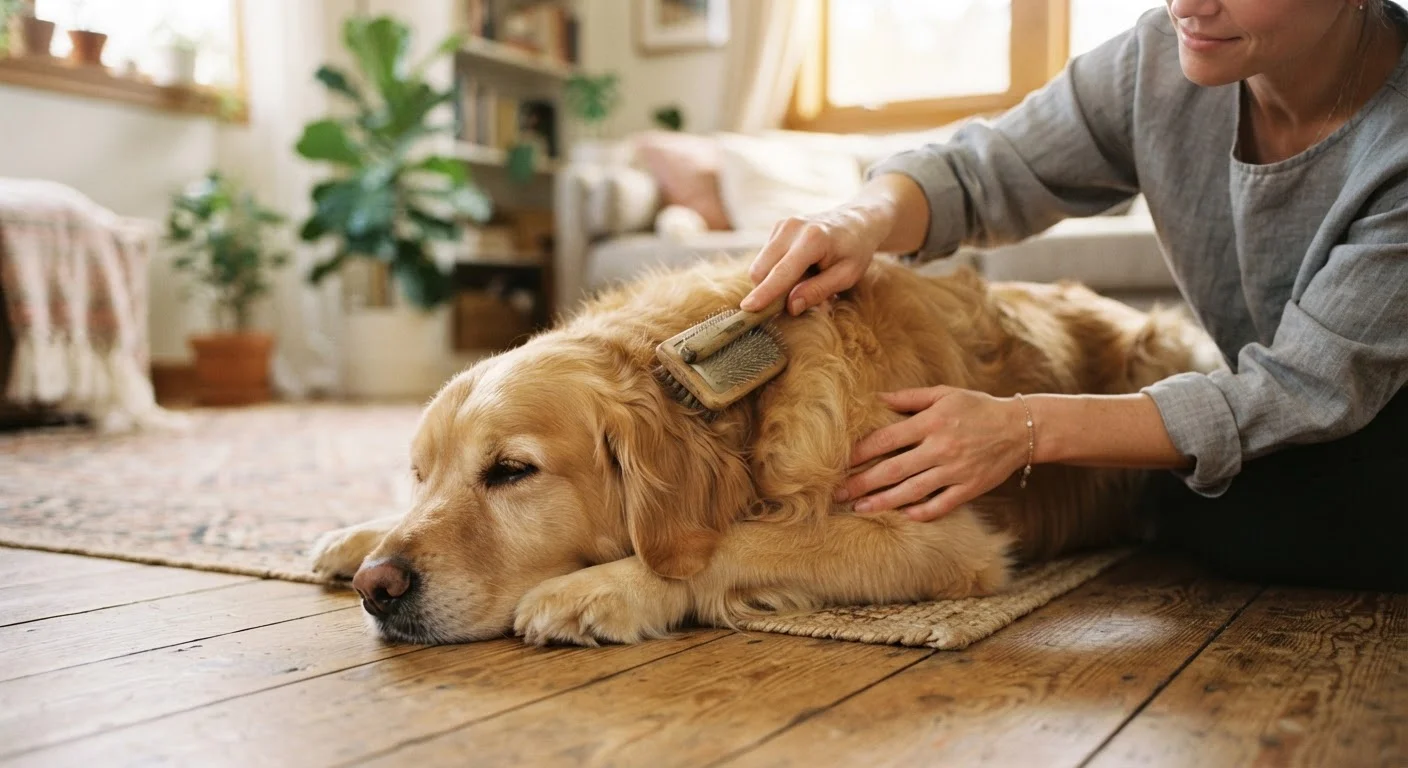
Each time you brush your dog or cat, run your hands along their back, or check their ears and paws, you are conducting an informal health scan. Changes in coat texture, unexpected lumps, skin redness, or unusual odor can all surface during grooming before they would ever show up at an annual checkup. As part of a broader preventive approach - which you can explore in our complete guide to preventive pet care - daily grooming keeps you connected to your pet's baseline so you notice when something shifts.
Grooming also reduces stress. Animals that are handled regularly from a young age tend to be calmer during veterinary exams, more tolerant of necessary procedures, and easier to care for throughout their lives. The investment in routine pays dividends long after each session ends.
Core Grooming Practices Every Pet Owner Should Know
The specific needs of your pet will vary by species, breed, coat type, and age - but several foundational habits apply broadly. Understanding the purpose behind each one helps you prioritize and adapt them to your household.
Brush your pet's coat on a consistent schedule matched to their coat type
Regular brushing prevents matting, reduces shedding, distributes natural oils for skin health, and gives you close contact with the skin where lumps, irritation, or parasites might appear. Long-coated breeds may need daily attention, while short-coated breeds may do well with two to three sessions per week.
Trim nails before they curve or touch the ground when your pet stands
Overgrown nails force pets to shift their weight to compensate, which places unnatural stress on joints and can lead to posture and mobility problems over time. For many dogs and indoor cats, nails grow faster than activity alone can wear them down.
Inspect and gently clean ears during each grooming session
Moisture, wax buildup, and debris create an environment where yeast and bacterial infections can develop quickly, especially in breeds with long or folded ears. Catching early signs - mild redness, slight odor - allows for earlier veterinary intervention.
Establish a tooth-brushing or dental maintenance habit from an early age
Plaque accumulates on pets' teeth daily, and without routine removal it hardens into tartar that only professional cleaning can address. Regular home dental care, introduced gradually and with patience, is widely recommended by veterinary organizations as a primary strategy for oral disease prevention.
Check paw pads and between toes during each grooming session
Foreign objects, small cuts, cracked pads, and interdigital irritation are common but easy to overlook until they become painful. Paws are in constant contact with varied surfaces - concrete, grass, ice, treated pavement - making them especially vulnerable to seasonal hazards.
For guidance on what a healthy coat, gum color, and ear condition should look like between grooming sessions, see what vets look for at routine checkups.
Grooming Across the Seasons
Your pet's grooming needs shift throughout the year, and a static routine can miss important seasonal changes. During spring and fall, most dogs and cats enter heavy shedding phases driven by changing day length and temperature. Increasing brush frequency during these periods reduces matting, limits hairballs in cats, and keeps excess fur out of your home.
In summer, longer-haired pets are at greater risk of heat discomfort and parasites. Keeping the coat clean and trimmed - and checking for ticks or flea dirt after outdoor time - is especially important. Parasite prevention in pets is most effective when combined with these regular physical checks.
Winter brings its own considerations: indoor heating dries skin and coats, paw pads can crack from cold and salt exposure, and less outdoor activity may mean nails wear down more slowly. Checking paw condition after walks and adjusting bath frequency to prevent skin dryness are straightforward seasonal adaptations.
Building grooming into your broader pet wellness calendar - alongside nutrition, exercise, and vet visits - is covered in depth in our article on building a year-round wellness routine for your pet.
Dental and Ear Care: The Overlooked Essentials
Brushing and nail care tend to get the most attention, but dental hygiene and ear health are among the most consequential - and most neglected - parts of pet grooming. Dental disease is estimated to affect the majority of dogs and cats by age three, and its effects extend well beyond the mouth, potentially impacting organ health over time. Our deep dive on dental disease explains why oral care deserves a place in your daily routine, not just your annual vet visit.
Ear infections are similarly common, particularly in floppy-eared dog breeds and in animals that swim frequently. During your regular grooming sessions, part the ear flap and look for redness, dark discharge, or unusual odor. Healthy ears should look clean and pale pink. Any persistent change warrants a veterinary evaluation - attempting to clean deep inside the ear canal at home can cause injury without professional guidance.
When to Involve Your Veterinarian
Home grooming is not a substitute for professional veterinary care. If you notice persistent skin inflammation, unusual lumps, a strong or unfamiliar odor from ears or skin, or significant changes in coat condition, contact your vet. Some findings during grooming - especially around ears, eyes, and the mouth - require professional evaluation before any home treatment is attempted.
If you are deciding how much of this to handle yourself versus with a groomer's help, our article on home versus professional grooming offers an honest breakdown of both approaches.
This article is for general informational purposes only and does not constitute veterinary or medical advice. Always consult a licensed veterinarian with questions about your specific pet's health or grooming needs.