

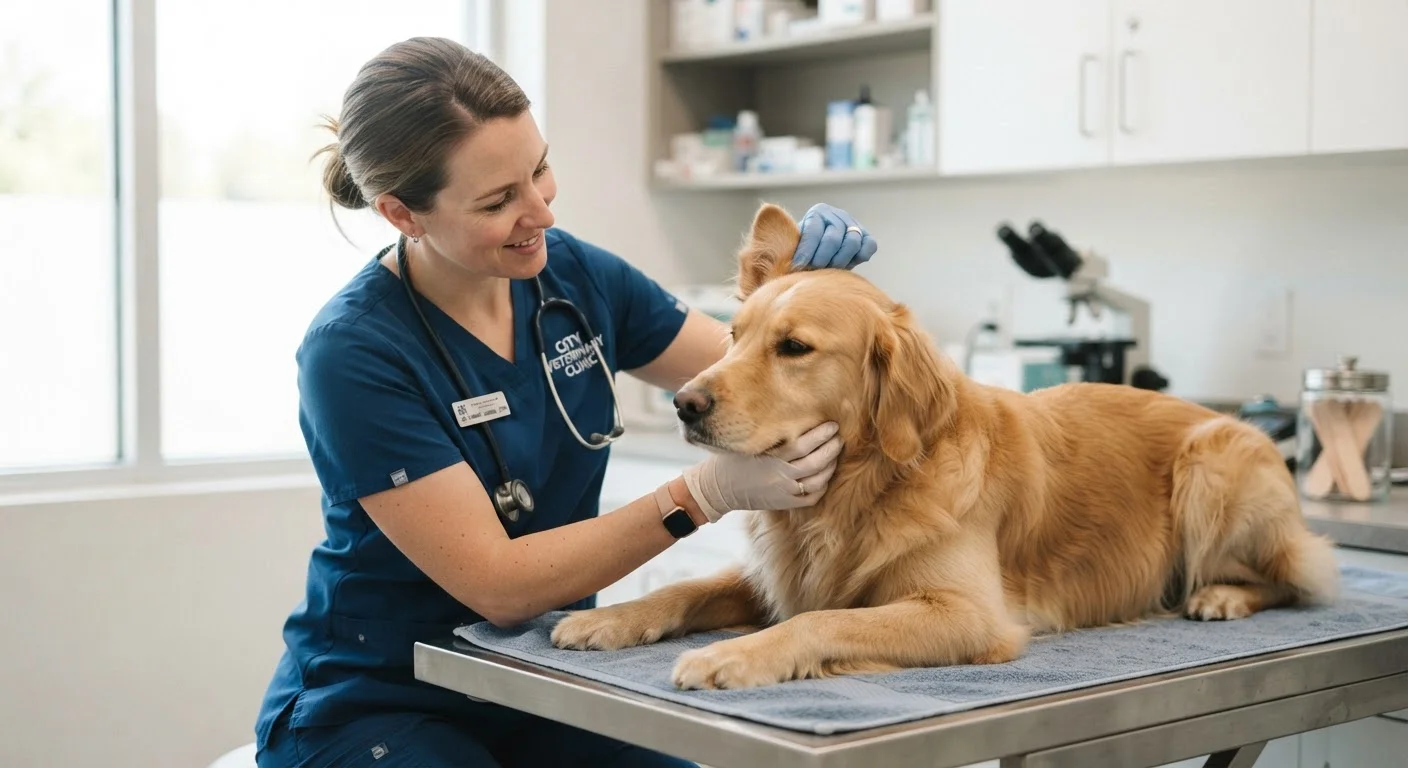
What Vets Actually Assess During a Wellness Exam
A routine veterinary visit is far more systematic than it may appear from the owner's side of the exam table. Vets follow a methodical head-to-tail physical assessment - often called a wellness exam - designed to detect subtle changes before they become serious problems. Understanding what's being evaluated helps owners become better observers at home between visits.
The exam typically begins with a review of your pet's weight and body condition score, then moves through each body system in sequence. A vet isn't just giving a general once-over; they're comparing current findings against a baseline and looking for anything that has shifted since the last visit. For a deeper look at how routine and reactive visits differ in scope, see what preventive care actually covers.
Key Health Indicators, System by System
Coat, Skin, and Eyes
A healthy coat should be smooth and free of excessive shedding, bald patches, or flaking. Skin should be supple with no redness, scaling, or unusual odor. Eyes are assessed for clarity - a healthy pet's eyes are bright, free of discharge, and have no visible redness or cloudiness in the cornea. Daily grooming habits also give owners a regular opportunity to notice early skin or coat changes.
Gum Color and Oral Health
One of the most informative quick checks a vet performs is pressing on the gums and observing color and capillary refill time. Healthy gum tissue in dogs and cats is typically bubblegum pink and slightly moist. Pale, white, blue-tinged, or bright-red gums can all indicate serious underlying issues and warrant immediate attention. Oral health is a significant component of overall wellness - dental disease is one of the most overlooked pet health problems.
Heart and Lungs
Using a stethoscope, the vet listens for abnormal heart rhythms, murmurs, or unusual breath sounds. A healthy resting heart rate for a dog ranges roughly from 60 to 140 beats per minute depending on size; for cats it's generally higher, around 140 to 220 beats per minute. Clear, unlabored breathing with no crackling or wheezing is the expected finding.
Abdomen and Lymph Nodes
Gentle palpation of the abdomen checks organ size and consistency - the liver, spleen, kidneys, and bladder are all assessed for unusual enlargement or tenderness. Lymph node palpation along the jaw, shoulders, and hind legs screens for swelling that can signal infection or immune system activity.
Musculoskeletal and Neurological
Vets observe gait, posture, and muscle symmetry, and may flex joints to check range of motion. Any stiffness, asymmetry, or reluctance during movement is noted. Basic neurological reflexes - such as withdrawal response and postural reactions - confirm that the nervous system is functioning normally. Changes in behavior or movement can sometimes be the earliest signals of underlying illness; behavior changes that could be medical red flags are worth knowing.
What Owners Can Monitor at Home
Veterinary wellness exams are typically recommended once or twice a year for adult pets, and more frequently for seniors or animals with ongoing health conditions. The interval between visits, however, is where owners play a critical role. Familiarity with your pet's baseline - their normal energy, appetite, bathroom habits, and appearance - makes it much easier to notice when something is off.
Pay regular attention to:
- Appetite and water intake - consistent, species-appropriate eating and drinking patterns are a reliable baseline.
- Elimination habits - changes in stool consistency, urination frequency, or straining can indicate digestive or urinary issues.
- Energy and activity level - gradual declines in exercise tolerance or play can reflect pain, systemic illness, or normal aging.
- Body weight - unexplained weight loss or gain is one of the most common early indicators of disease.
Learning to read your pet's body language can also help you distinguish normal behavior from signs of discomfort. As pets age, their baselines shift - understanding how aging changes a pet's health needs will help you calibrate your expectations over time. A structured seasonal approach is also worthwhile; building a year-round wellness routine can keep monitoring consistent.
This article is for general informational purposes only and is not a substitute for professional veterinary advice. Always consult a licensed veterinarian for guidance specific to your pet's health.