
Express vs. Implied Warranties: The Difference That Matters When Something Breaks

Key Takeaways
Option A
Express Warranty
The written (or spoken) promise a seller makes about a product.
Best for: Buyers who want clearly defined, documented coverage terms they can point to in a dispute.
Option B
Implied Warranty
The automatic legal protection that exists even without a written guarantee.
Best for: Consumers whose products fail without any written warranty in place, relying on baseline legal protections.
If you received a written guarantee with your purchase
Express Warranty
Your documented promise is your strongest starting point. Review the exact terms and contact the warrantor through their stated process before pursuing other remedies.
If your product failed but came with no written warranty
Implied Warranty
The implied warranty of merchantability may still apply by law, meaning the product should have performed its basic function. Check your state's rules, since coverage periods vary.
If you bought a used item sold 'as is'
Express Warranty
Implied warranties are often disclaimed in 'as is' sales. Any express promises made by the seller - even verbal ones - remain enforceable, so document what was said.
If a product description or advertisement made specific claims
Express Warranty
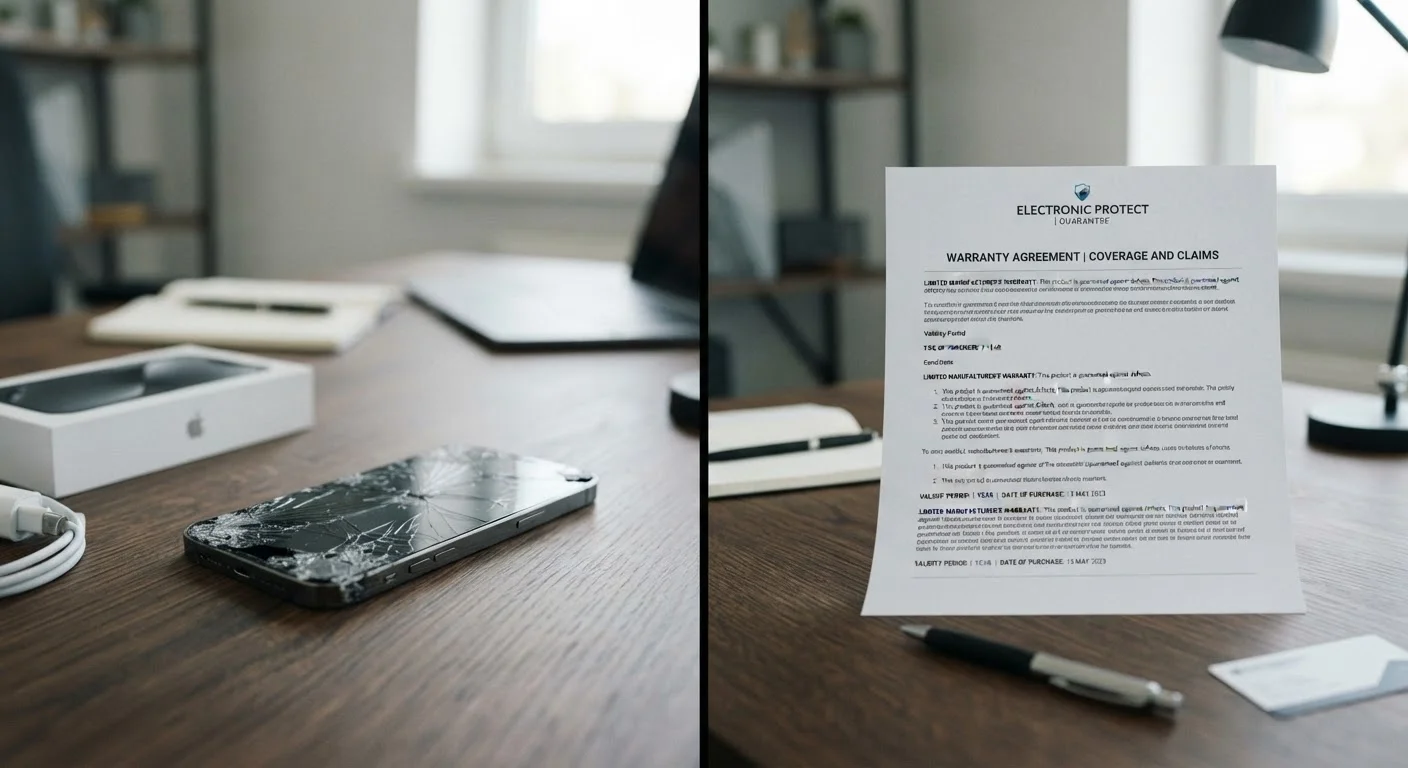
Affirmations of fact in ads or product listings can create express warranties. Save screenshots and packaging as evidence.
What Each Warranty Type Actually Means
When a product breaks, the first question consumers typically ask is: am I covered? The answer depends largely on which type of warranty applies - and the two types work very differently.
An express warranty is any affirmation of fact or promise made by a seller or manufacturer that relates to the product and becomes part of the basis of the bargain. It doesn't have to be labeled a 'warranty.' Written guarantees, product specification sheets, advertising claims, and even a salesperson's verbal promise can all create express warranties under the Uniform Commercial Code (UCC), which most states have adopted. For consumer products over $15 with a written warranty, the federal Magnuson-Moss Warranty Act adds further requirements - including that warranty terms be made available before purchase.
An implied warranty, by contrast, is never written down because it exists by operation of law. The most common form is the implied warranty of merchantability: the basic assurance that a product will perform the ordinary purpose it was designed for. A blender that won't blend, or a jacket zipper that fails on first use, may violate this warranty even if no written guarantee was ever provided. A second type - the implied warranty of fitness for a particular purpose - applies when a seller knows a buyer has a specific use in mind and recommends a product for that use.
For a broader look at the legal framework behind these protections, see our guide to consumer rights in America.
| Criterion | Express Warranty | Implied Warranty |
|---|---|---|
| How it's created | Written, verbal, or by product description | Automatically by law at point of sale |
| Requires written documentation | Not always, but advisable | No documentation needed |
| Can seller disclaim it? | No - promises made bind the seller | Yes, in most states with 'as is' language |
| Duration | Stated in warranty terms | Set by state law (often 4 years) |
| Governed by federal law | Yes - Magnuson-Moss (written, $15+) | Primarily state law (UCC-based) |
| Applies to 'as is' sales | Yes, if specific promises were made | Generally no, if properly disclaimed |
Where the Differences Get Practical
The gap between these two warranty types matters most at the moment a dispute arises.
With an express warranty, the scope of coverage is defined by the seller's own language. That can work in your favor - specific promises are directly enforceable - but it also means a seller can limit coverage to certain parts, certain failure types, or a specific time window. Always read the actual warranty document, not just the marketing summary. Decoding warranty language before a problem arises saves time and frustration later.
Implied warranties are broader in one sense - they apply automatically - but they can be legally disclaimed. In most states, a seller can waive implied warranties by selling a product explicitly 'as is' or 'with all faults,' as long as this language is conspicuous. Some states, including Massachusetts and Kansas, prohibit implied warranty disclaimers on consumer goods entirely, giving buyers stronger default protection. State law variation here is significant.
State Law Variations Matter Here
Implied warranty rights are not uniform across the United States. Some states prohibit sellers from disclaiming implied warranties on consumer goods entirely, regardless of 'as is' language. Before concluding you have no recourse, check your specific state's consumer protection statutes or consult a consumer law attorney, since protections can be stronger than federal minimums suggest.
One common misconception is that opening a product or using it voids implied warranty protection. This is generally false - normal use doesn't forfeit implied warranty rights. For more on this and similar misunderstandings, see our article on warranty myths that cost shoppers money.
Duration is another practical difference. Express warranty periods are stated explicitly - often 90 days to several years. Implied warranty duration is set by state law and typically aligns with the statute of limitations for contract claims, which is commonly four years from the sale date under the UCC, though states can vary.
Finally, be mindful of procedural missteps that can quietly eliminate your options regardless of which warranty applies. Common consumer rights pitfalls - like discarding original packaging or missing a dispute window - can undermine an otherwise valid claim.