
Consumer Rights Pitfalls: Where People Lose Protections They Didn't Know They Had

Key Takeaways
Why Consumers Lose Rights Without Realizing It
Most consumer rights don't disappear because a company successfully argued against you - they disappear because a shopper unknowingly forfeited them first. A missed deadline here, a discarded receipt there, and suddenly the legal protections that were firmly on your side are no longer available. Understanding what the law actually guarantees you is only half the battle; you also need to know which common behaviors quietly extinguish those protections.
The mistakes below aren't obscure edge cases - they're patterns that consumer advocates and legal aid organizations see repeatedly. Avoiding them costs nothing upfront and can save significant money and frustration when something goes wrong.
Missing the credit card dispute deadline.
Why it happens: Most consumers assume they can dispute a charge whenever they discover a problem. In reality, the Fair Credit Billing Act generally requires disputes to be submitted within 60 days of the statement date on which the charge appeared.
Discarding packaging and failing to document defects before returning a product.
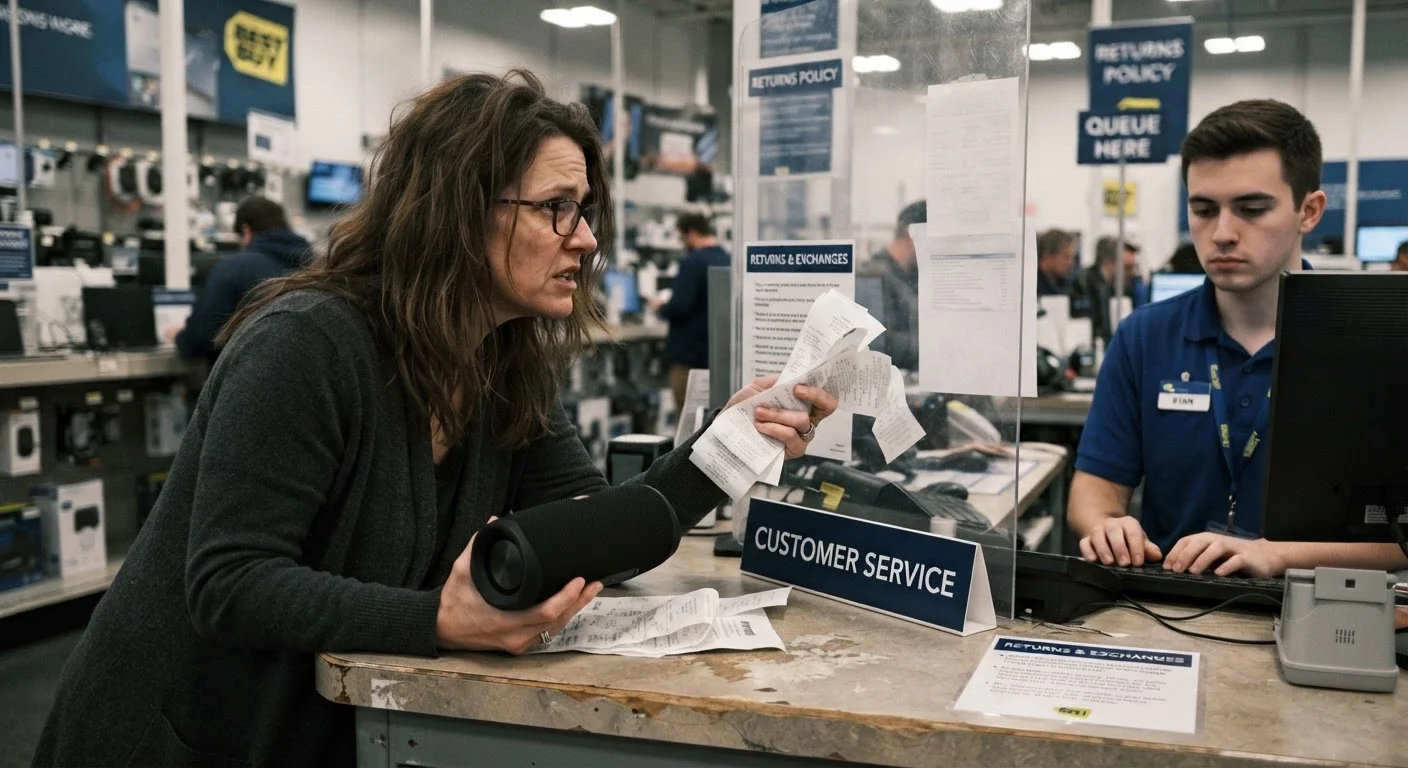
Why it happens: Shoppers naturally unbox items and throw away packaging, not anticipating a problem. But when a defect surfaces later, missing original packaging often gives retailers grounds to deny a return or replacement.
Accepting a store's 'no refunds' policy as the final word.
Why it happens: A prominently posted sign or a line in a receipt saying 'all sales final' can feel authoritative and legally binding. Many consumers don't realize that such policies have real legal limits.
Signing a contract without noticing the binding arbitration clause.
Why it happens: Arbitration clauses are typically buried in fine print and written in dense legalese. Most consumers click through or sign without reading - and in doing so, they waive the right to sue in court or join a class-action lawsuit.
Failing to register a product or notify a manufacturer of a defect within warranty periods.
Why it happens: Product registration feels optional, and many consumers skip it. But some warranties - particularly implied warranties under state law - can require timely notice of a defect to preserve your remedies.
Making only verbal complaints without a written record.
Why it happens: Calling customer service feels faster and more direct than sending a written complaint. But without a paper trail, there is no verifiable record that you raised the issue - or what the company promised in response.
How to Keep Your Protections Intact
The common thread running through every mistake above is documentation and timeliness. Consumer protections are almost always reactive - they exist to give you recourse after a problem arises - which means the groundwork has to be laid before you know you'll need it.
Online Purchases Carry Extra Risk
When something goes wrong with an online order - non-delivery, counterfeit goods, or misrepresented items - the paper trail you kept at purchase becomes your primary recourse. Screenshots of product listings at the time of purchase, order confirmations, and shipping notifications all matter. Knowing your options when an online purchase goes wrong before a problem occurs puts you in a far stronger position.
A few practical habits go a long way. Save purchase confirmations, contracts, and receipts in a dedicated folder, digital or physical. When a problem occurs, document it immediately with dated photos and written notes. Make any complaint or dispute request in writing, even when a company prefers a phone call. Keep records of who you spoke to and when.
If a company's response doesn't satisfy you, escalating to a regulatory body is often more effective than people realize. The FTC, CFPB, and state attorneys general all accept consumer complaints - and their roles differ in important ways. Understanding which agency handles what helps you direct your complaint where it will have the most impact. For disputes involving a credit card purchase, knowing when a chargeback is appropriate and how to initiate one correctly is a separate but equally important skill. When a dispute escalates further, small claims court can be a realistic option for amounts within your state's filing limits - often without requiring an attorney.
Finally, before any transaction, read what you're agreeing to. Knowing the red flags in contracts before you sign can prevent rights from being waived before a dispute ever starts.