

Key Takeaways
The Rule of Three
The rule of three is a design principle that says objects arranged in groups of three are more visually appealing and easier for the eye to process than groups of two or four. The human brain finds symmetrical, even-numbered arrangements predictable and static, while odd numbers create gentle tension that draws the eye across all items in a group. In home décor, this means grouping decorative objects, plants, artwork, and furnishings in threes tends to make a space feel deliberately composed rather than accidental.
The principle has roots in gestalt psychology, specifically the idea that the brain seeks patterns and closure - odd-numbered groups require the eye to keep moving, which increases perceived visual interest.
Why Odd Numbers Feel More Natural to the Eye
When you place two identical candleholders on a mantle, your eye lands on both simultaneously and stops moving. There's nothing left to explore. Add a third item - a small plant, a framed photo, a sculptural bowl - and something changes. The eye now traces a path from object to object, perceiving rhythm instead of repetition.
This isn't decorating folklore. Research in visual perception consistently shows that the brain processes odd-numbered groupings as more complex and engaging than even ones. Even pairs read as complete and closed; odd groupings read as open and inviting. That difference is subtle, but in a room you live in every day, it adds up to a space that either feels alive or feels flat.
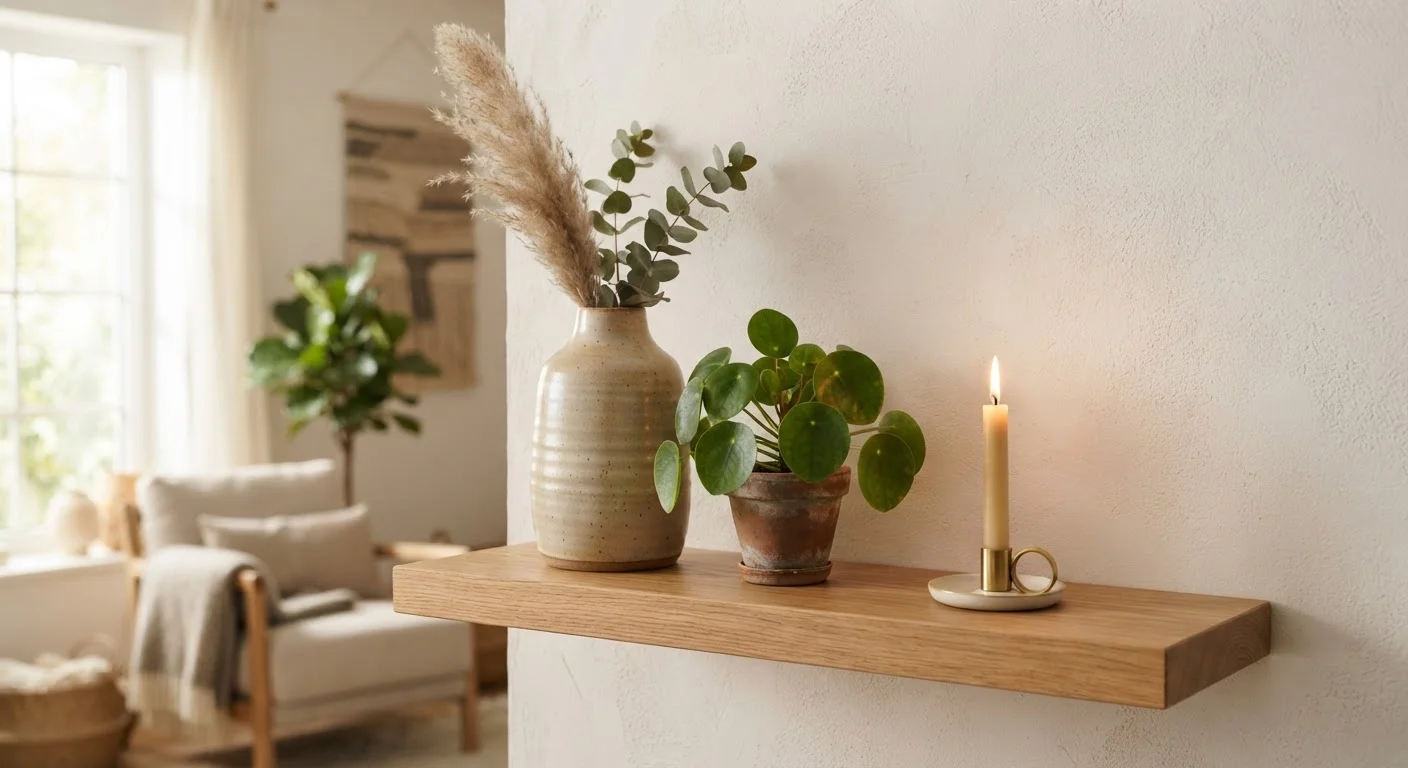
The rule of three also relates to visual hierarchy - the idea that not all objects in a grouping carry equal visual weight. With three items, a natural high-medium-low height structure emerges, creating the triangular composition professional stylists default to instinctively. That triangle guides the eye without requiring any conscious effort from the viewer.
3
Objects per grouping for peak visual interest
Interior design educators and visual merchandisers consistently cite groupings of three as the most reliably engaging arrangement across furniture, shelving, and tabletop displays.
~60%
Shoppers drawn to odd-numbered retail displays
Visual merchandising research has found that consumers linger longer and engage more with odd-numbered product groupings than even-numbered ones in retail environments.
How to Build a Strong Trio
Applying the rule of three isn't just about counting to three. The composition of the trio determines whether it succeeds.
Vary Height First
Height variation is the single most impactful variable. A tall vase, a medium stack of books, and a small succulent create instant visual interest on a shelf. Three items of equal height, even if they differ in color, tend to look like a lineup rather than a display. Aim for a clear tall, medium, and low item in every grouping.
Connect with a Common Element
Each item in a trio should feel related to the others, but not identical. A shared color, material (all ceramic, all wood-toned), or theme (all botanical, all geometric) gives the group cohesion while preserving individual character. Understanding what scale means in interior design also helps you select items whose proportions work together rather than compete.
Vary Texture and Shape
A round object next to a rectangular one next to something with organic, irregular edges creates tactile contrast that adds depth to a grouping even in photographs. Repeating the same shape in three different sizes is another effective approach - it establishes clear visual rhythm while maintaining unity.
Try the Triangle Test Before Buying Anything
Before purchasing new décor, audit what you already own. Pull three items from different rooms and arrange them by height on a single surface. More often than not, you'll find that rearranging existing objects into a proper trio - with clear height variation and a connecting element - is all the refresh a surface needs. Shopping should come after arrangement, not before.
Where to Apply the Rule of Three Room by Room
Shelves and bookcases: Rather than lining books spine-to-spine across an entire shelf, break the row with a trio of objects - a small sculpture, a trailing plant, and a short stack of books turned horizontally. Repeat this pattern with variation every few feet to create rhythm across a long bookcase.
Coffee tables and console tables: A tray, a stack of books, and a small vase form the classic coffee table trio. The tray acts as a visual anchor that groups the objects, which is especially useful if the items differ significantly in style.
Entryway and dresser tops: Three items at the entry - a lamp, a small dish, and a framed print propped against the wall - signal intention and welcome without crowding a narrow surface.
Gallery walls: When hanging art, grouping frames in clusters of three creates natural anchoring points on a wall. Proper art hanging technique explains how spacing and height affect whether a grouping reads as cohesive or scattered.
Outdoor spaces: Three planters of varying heights on a porch or patio apply the same principle outdoors. Pair a tall ornamental grass, a medium flowering plant, and a low trailing vine for a composition that works from a distance.
Common Mistakes - and When to Break the Rule
The rule of three is a guide, and like all design guidelines, it has limits. Forcing every surface in a home into strict trios leads to a repetitive, almost mechanical look. The most common decorating myths include rigid adherence to any single rule at the expense of personal judgment.
A few pitfalls to avoid:
- All the same height: Three equal-height objects lose the triangular energy that makes trios effective.
- Overcrowding the group: Items placed too close together merge visually into one blob. Leave intentional space between each piece so the eye can register them as individuals within a unit.
- Ignoring the backdrop: A trio placed against a busy, patterned wall competes with its background. Simplify the backdrop or choose bolder objects with stronger silhouettes.
- Matching sets on every surface: If every grouping in a room uses the same material or color trio, the repetition becomes numbing. Vary the character of each grouping even while keeping the count at three.
Formal symmetrical spaces - traditional dining rooms, classic entryways with matched sconces - often call for even-numbered, paired arrangements instead. The rule of three excels in relaxed, transitional, and contemporary interiors. Read the room before defaulting to any formula.