

Key Takeaways
Salt, Fat, Acid, Heat
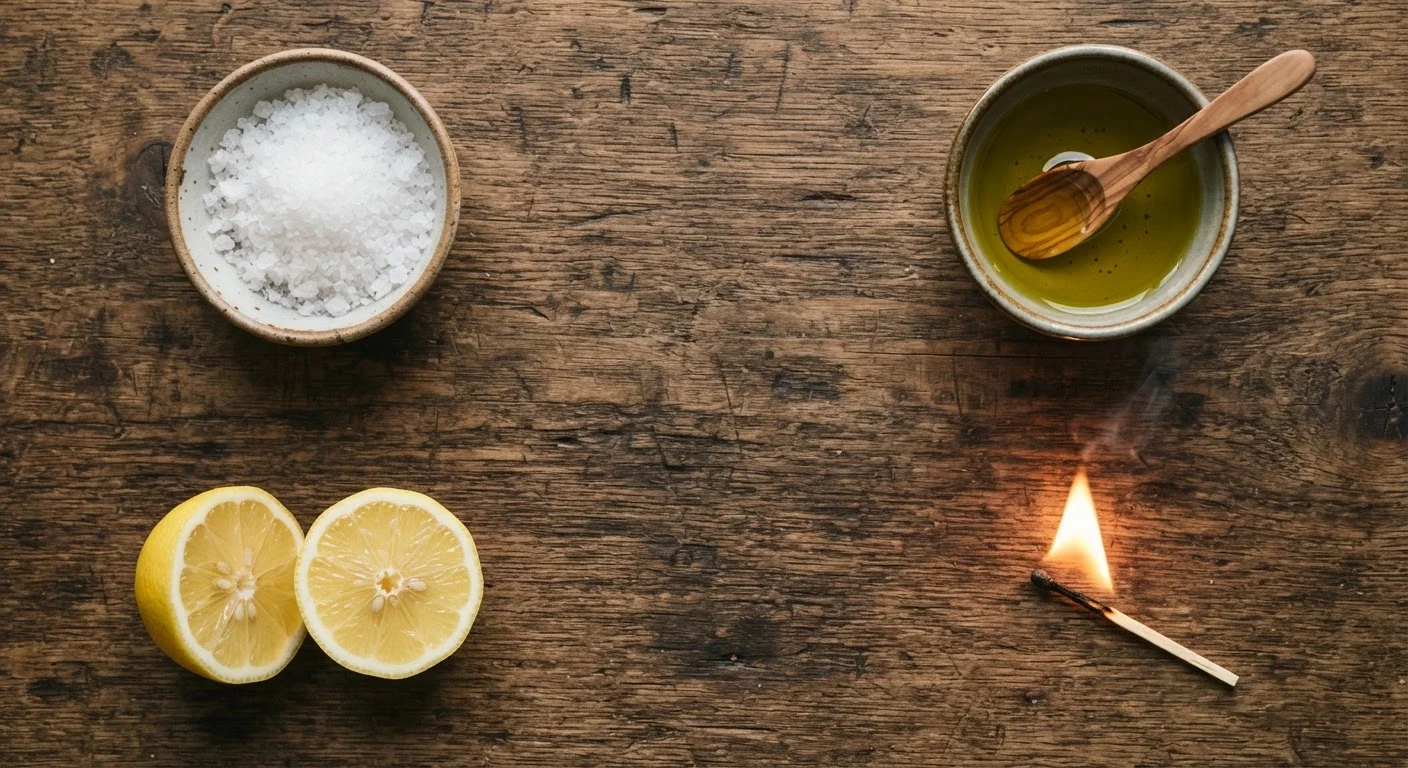
These four elements are the fundamental forces that control flavor, texture, and structure in cooking. Salt enhances taste. Fat carries flavor and creates richness. Acid brightens and balances. Heat transforms raw ingredients into finished food. Together, they explain why a dish works - or why it doesn't.
The framework is rooted in culinary science: each element affects different sensory receptors and chemical processes, from sodium ions activating taste buds to the Maillard reaction driven by high heat.
Salt: The Element That Makes Everything Taste Like Itself
Salt is the most misunderstood seasoning in the kitchen. Most people think of it as something you add to make food taste salty. In reality, salt's primary job is suppression: it reduces the perception of bitterness while simultaneously amplifying sweetness, umami, and aroma. That's why a pinch of salt in chocolate cake doesn't make it taste salty - it makes it taste more intensely chocolatey.
Salt also interacts with food structure. Applied to vegetables, it draws out moisture through osmosis. Applied to raw meat before cooking, it initially pulls liquid to the surface before the brine is reabsorbed, helping the protein retain moisture and season it from within rather than just on the surface.
Where and when you salt matters. Salting pasta water generously seasons the pasta itself, not just its sauce. Salting a steak an hour ahead produces different results than salting right before it hits the pan. Developing a feel for salt - how much, when, and in what form - is one of the highest-leverage skills a home cook can build.
Salt in Layers, Not All at Once
Adding salt at the end of cooking is less effective than seasoning throughout the process. Salt vegetables before sautéing, season your braising liquid early, and taste repeatedly as you cook. Layering salt at each stage produces a more deeply seasoned, cohesive result than a heavy hand at the finish.
Fat: Carrier of Flavor, Architect of Texture
Fat is the kitchen's great amplifier. Many flavor compounds - especially those in herbs, spices, and aromatics like garlic and onion - are fat-soluble, meaning they dissolve and distribute through fat rather than water. When you bloom dried spices in oil or sauté garlic in butter before adding liquid, you're using fat to extract and spread flavor throughout the dish.
Beyond flavor transport, fat shapes texture in ways no other element can match. It creates the flaky layers in pastry, the silky richness of a pan sauce, and the crispy exterior of a properly seared piece of chicken. The type of fat matters too: butter adds richness and a slight sweetness; olive oil contributes its own grassy, peppery character; neutral oils step aside and let other flavors dominate.
Fat also affects how food feels on the palate. A dish without enough fat often tastes thin and unsatisfying, even when it's well-seasoned. This is why low-fat cooking so often produces flat results - fat isn't just calories, it's texture and mouthfeel. For a broader look at what dietary fat does for the body, see what carbs, protein, and fat actually do.
Acid: The Brightener Every Kitchen Needs
Acid is the element most home cooks underuse. It includes anything tart: citrus juice, vinegars, wine, yogurt, buttermilk, and even tomatoes. Acid's role in a dish is contrast and brightness. It cuts through richness, prevents sweetness from becoming cloying, and lifts muted flavors back to life.
If a braise or a soup tastes heavy and one-dimensional after hours of cooking, a tablespoon of red wine vinegar or a squeeze of lemon juice will often transform it. That's acid at work - it hasn't changed the other flavors so much as it's added contrast that allows them to register more clearly on the palate.
Acid also has structural roles. It denatures proteins in marinades (effectively beginning the cooking process before heat is applied), keeps cut fruits from browning, and stabilizes the color of green vegetables when used correctly. In baking, acids react with baking soda to produce the carbon dioxide bubbles that make quick breads and pancakes rise.
Acid and Heat Can Work Against Each Other
Adding acid too early to certain dishes - particularly those with green vegetables - can dull their vibrant color as heat and acid together break down chlorophyll. For brightly colored greens like broccoli or peas, add any lemon juice or vinegar just before serving rather than during cooking.
Learning to pair these elements with the right aromatic foundations - garlic, onion, fresh herbs - deepens your ability to build complete flavors. Building flavor with aromatics is a natural next step once you understand salt, fat, acid, and heat.
Heat: The Force That Transforms Raw Into Cooked
Heat is the most dramatic of the four elements because it creates entirely new flavors rather than just amplifying existing ones. At different temperatures, the same ingredient undergoes completely different transformations. Low, slow heat breaks down tough connective tissue in meat into silky gelatin. High, direct heat triggers the Maillard reaction - the browning process responsible for the crust on seared steak, the color on roasted vegetables, and the flavor of toasted bread.
Sugar caramelizes under heat, creating complex, bitter-sweet compounds that didn't exist in the raw ingredient. Starches gelatinize. Proteins set. Volatile aromatics - the ones responsible for the smell of fresh garlic or raw onion - transform into something rounder and mellower. These aren't just cosmetic changes; they're fundamental shifts in flavor chemistry.
The challenge with heat is control. Too little and a dish lacks depth; too much and delicate flavors burn, proteins toughen, and sugars turn bitter. Understanding which level of heat to apply - and when to switch between them - is central to techniques that work across dozens of recipes once you've learned them.
Together, these four elements form a complete framework for thinking about cooking. Salt and season at every stage. Use fat intentionally to carry flavor. Add acid to create balance. Apply heat with awareness of what it's doing at each temperature. Master this framework, and no recipe will feel entirely out of reach.