

Key Takeaways
Product Recall
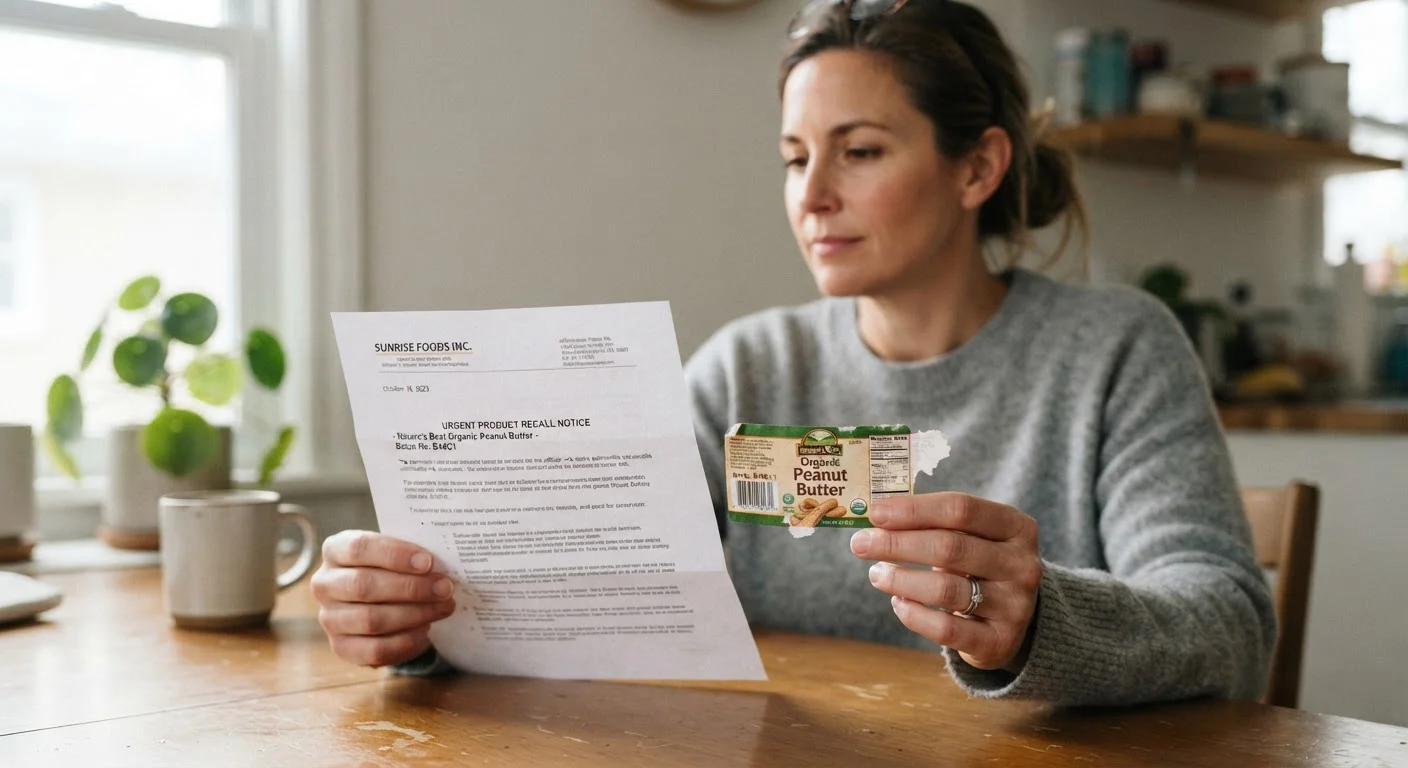
A product recall is a request or requirement for consumers to return a product due to a safety defect, health hazard, or failure to meet regulatory standards. Recalls can be initiated voluntarily by a manufacturer or mandated by a federal agency. When a product is recalled, consumers are typically entitled to a remedy - such as a refund, replacement, or repair - at no cost.
In the U.S., different agencies oversee recalls depending on product category: the Consumer Product Safety Commission (CPSC) covers most household goods, the National Highway Traffic Safety Administration (NHTSA) handles vehicles and auto parts, the FDA covers food, drugs, and medical devices, and the USDA manages meat and poultry products.
How a Recall Gets Started
Most Americans assume recalls are forced on companies by regulators. In practice, the majority of recalls are voluntary - a manufacturer identifies a problem through consumer complaints, internal testing, or injury reports, then notifies the relevant federal agency and announces a recall program. Federal agencies can and do compel recalls when a company refuses to act, but this is relatively rare.
The agency involved depends on what was sold. The CPSC covers a broad range of household and consumer goods. The NHTSA handles vehicles and automotive components. The FDA oversees food, drugs, cosmetics, and medical devices, and the USDA manages meat, poultry, and egg products. Each agency has its own process for classifying severity and directing the company's response.
Once a recall is announced, the manufacturer is responsible for notifying consumers - typically through press releases, retailer notifications, and direct outreach to registered product owners. This is one reason product registration cards and online registration forms are worth completing: they create a direct communication channel between you and the manufacturer.
Register Products Right After Purchase
Taking two minutes to register a new appliance, piece of furniture, or electronic device with the manufacturer can make a significant difference. Registered owners are far more likely to receive direct recall notifications than those who rely on news coverage or chance discovery. Keep a simple record of product names, model numbers, and purchase dates in a notes app or spreadsheet for easy reference.
What You're Entitled to When a Product Is Recalled
The remedy offered in a recall is determined by the manufacturer in coordination with the overseeing agency. The three standard options are:
- Full refund: You return the product and receive its original purchase price.
- Free repair: The manufacturer repairs the defect at no charge, often through an authorized service center or a mail-in program.
- Replacement: The recalled item is swapped for a corrected version or a comparable product.
Which remedy is available depends on the nature of the defect, how long ago the product was sold, and what the overseeing agency approves. For older products, manufacturers sometimes offer only a partial refund or a discount toward a new purchase. While consumers can push back by contacting the agency directly, the terms of the recall program generally define the ceiling of what's available through the official process.
Importantly, a recall remedy does not automatically compensate you for property damage or personal injury caused by the defective product. Those claims fall under product liability law and require separate legal action. If you've been harmed, consulting a licensed attorney is an important next step - the recall itself does not resolve civil claims.
400+
CPSC recall announcements per year (approximate)
The Consumer Product Safety Commission typically issues several hundred recall notices annually across a wide range of consumer product categories.
~34%
Estimated vehicle recall remedy completion rate
According to NHTSA data, a significant share of recalled vehicles never receive the required repair, often because owners are unaware a recall applies to their car.
Class I
FDA's most serious food recall classification
A Class I recall indicates that the FDA has determined there is a reasonable probability that consuming the product will cause serious adverse health consequences or death.
How to Claim Your Recall Remedy
Once you confirm a product you own is under recall - through Recalls.gov, the relevant agency's database, or a direct manufacturer notice - follow these steps:
- Stop using the product immediately if the recall cites a safety hazard. Don't wait for your remedy to arrive before setting it aside.
- Read the official recall notice carefully. It will specify exactly what remedy is offered, what documentation you need, and how to submit your claim - whether online, by mail, or through a retailer.
- Gather documentation. This may include a receipt, photos of the product or its serial number, or simply your contact information. Don't discard packaging until you've confirmed it isn't required. Discarding key materials is one of the common ways consumers lose protections they didn't know they had.
- Submit your claim promptly. Some recall programs have defined windows. Even when no hard deadline is stated, acting early ensures the program is still active and funded.
If you run into difficulty - an unresponsive manufacturer, a retailer refusing to participate, or a dispute over your eligibility - you can file a complaint with the relevant federal agency or escalate through your state attorney general's office. For a detailed walkthrough on filing formal complaints, see how to file a consumer complaint effectively.
Staying Ahead of Recalls Before They Happen
The most effective consumer strategy is proactive, not reactive. A few habits can significantly reduce the risk that you'll be using a recalled product without knowing it:
- Register products after purchase. This is the single most reliable way to receive direct recall notifications from manufacturers.
- Bookmark Recalls.gov. The federal government's central recall portal aggregates notices across agencies and allows you to search by product category.
- Sign up for CPSC alerts. The CPSC offers email and RSS notifications for new recall announcements, filterable by product type.
- Check vehicles by VIN. NHTSA's website allows any owner to look up open recalls on a specific vehicle using its VIN - a step worth taking before any used car purchase.
Understanding recalls is one piece of a broader picture of consumer rights. For a comprehensive look at the federal and state protections available to you as a shopper, see what the law actually guarantees consumers. If your situation involves a persistently defective vehicle rather than a safety recall, lemon laws may offer a separate avenue of recourse.