
Chargebacks Explained: When Disputing a Credit Card Charge Is Actually Appropriate

Key Takeaways
Chargeback
A chargeback is a formal process through which a credit or debit cardholder asks their card-issuing bank to reverse a transaction. The bank investigates the dispute and, if it finds in the cardholder's favor, pulls the funds back from the merchant. It is a consumer protection built into the payment system - not a general-purpose refund mechanism.
Chargebacks are governed by card network rules (Visa, Mastercard, etc.) and, for credit cards, reinforced by the Fair Credit Billing Act (FCBA), a federal law that gives consumers the right to dispute billing errors under specific conditions.
What Chargebacks Are Actually For
Chargebacks exist to protect consumers from a specific set of payment problems - not to serve as an alternative to a return policy or a complaint channel. The Fair Credit Billing Act (FCBA) created a federal right for credit cardholders to dispute billing errors, and card networks like Visa and Mastercard layered their own rules on top of that. Together, these rules define when a chargeback is legitimate.
The clearest valid situations include:
- Unauthorized transactions: A charge appeared on your account that you did not make and did not authorize - typically a sign of fraud or a stolen card number.
- Non-delivery: You paid for goods or services that were never delivered or performed.
- Significant misrepresentation: What arrived was materially different from what was described - wrong item, counterfeit product, or a service that was not rendered as agreed.
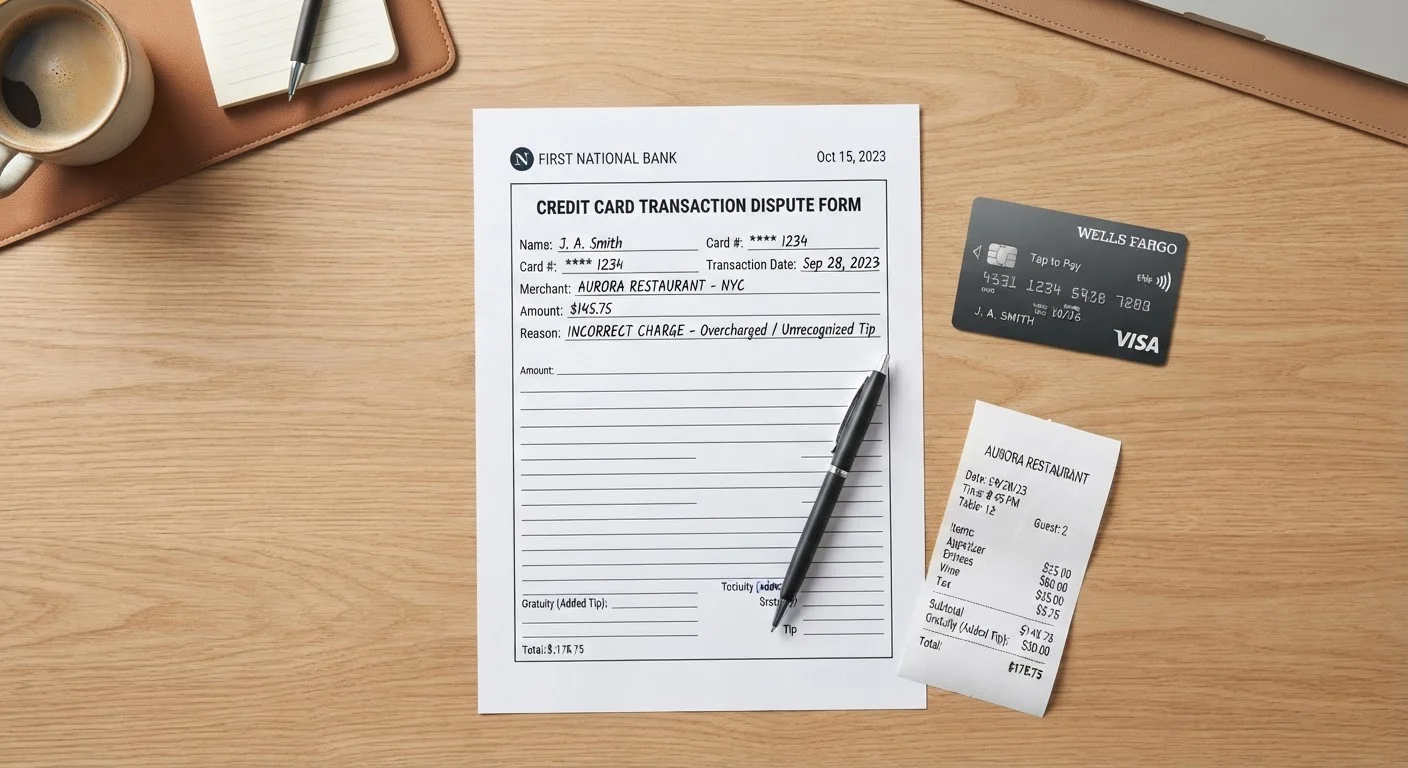
- Duplicate or incorrect charges: You were charged twice for the same transaction, or the amount billed was different from what you agreed to pay.
When an online purchase goes wrong, these categories cover the most common problems consumers face - non-delivery and misrepresentation are especially frequent with online sellers.
When a Chargeback Is Not Appropriate
Filing a chargeback without a qualifying reason - sometimes called friendly fraud or first-party fraud - is a misuse of the system with real consequences. Common misuses include:
- Disputing a charge because you changed your mind about a purchase
- Filing a chargeback instead of following a merchant's stated return process
- Claiming non-delivery when you received the item but simply want a refund
- Disputing a subscription charge you forgot to cancel
Beyond being ethically problematic, friendly fraud can backfire. Merchants can submit evidence - delivery confirmations, correspondence, signed agreements - and if the dispute is decided in their favor, you're left with the original charge reinstated. Repeated unfounded disputes can also prompt your card issuer to close your account or flag your history in industry databases used by merchants and processors.
Debit Cards Have Fewer Protections Than Credit Cards
While debit card disputes are possible and some protections exist under the Electronic Fund Transfer Act (EFTA), the consumer protections are generally weaker and timelines are stricter compared to credit cards. For significant purchases, using a credit card gives you a stronger dispute framework if something goes wrong.
Common consumer rights pitfalls often involve procedural missteps - the same applies to chargebacks. Missing the dispute window or failing to document your attempt to contact the merchant can cost you the protection entirely.
How the Chargeback Process Works
60 days
FCBA dispute window from statement date
The Fair Credit Billing Act requires cardholders to submit written disputes within 60 days of the statement on which the error first appeared.
~$3.75B
Estimated annual cost of friendly fraud to merchants
Industry research groups have estimated that chargeback abuse - where consumers dispute legitimate charges - costs merchants billions annually, driving up costs across the retail sector.
1%
Chargeback threshold before processor penalties apply
Card networks like Visa and Mastercard typically flag merchants when chargebacks exceed roughly 1% of transactions, which can result in higher fees or loss of card-acceptance privileges.
Understanding the mechanics helps you use chargebacks more effectively. Here's the general flow:
- Contact the merchant first. Most card networks require a good-faith attempt to resolve the issue directly. Keep records of any emails, chat logs, or call notes.
- File a dispute with your card issuer. This is typically done through your bank's website, app, or by calling the number on the back of your card. You'll explain the reason and submit any supporting documentation.
- Provisional credit. For credit cards, your issuer may issue a temporary credit to your account while the investigation proceeds.
- Merchant response. The merchant is notified and has a window - typically 20-45 days depending on the card network - to contest the chargeback with their own evidence.
- Decision. The card issuer (or card network, in some cases) reviews both sides and issues a ruling. If the chargeback is upheld, the reversal becomes permanent. If denied, the charge is reinstated.
The entire process can take 30 to 90 days. If your dispute is denied and you believe the ruling was unfair, small claims court is a separate avenue worth understanding for lower-dollar disputes.
"No refunds" policies don't always override your rights - card network rules and federal law can supersede what a merchant posts in their store or on their website.