

Key Takeaways
Deferred Maintenance
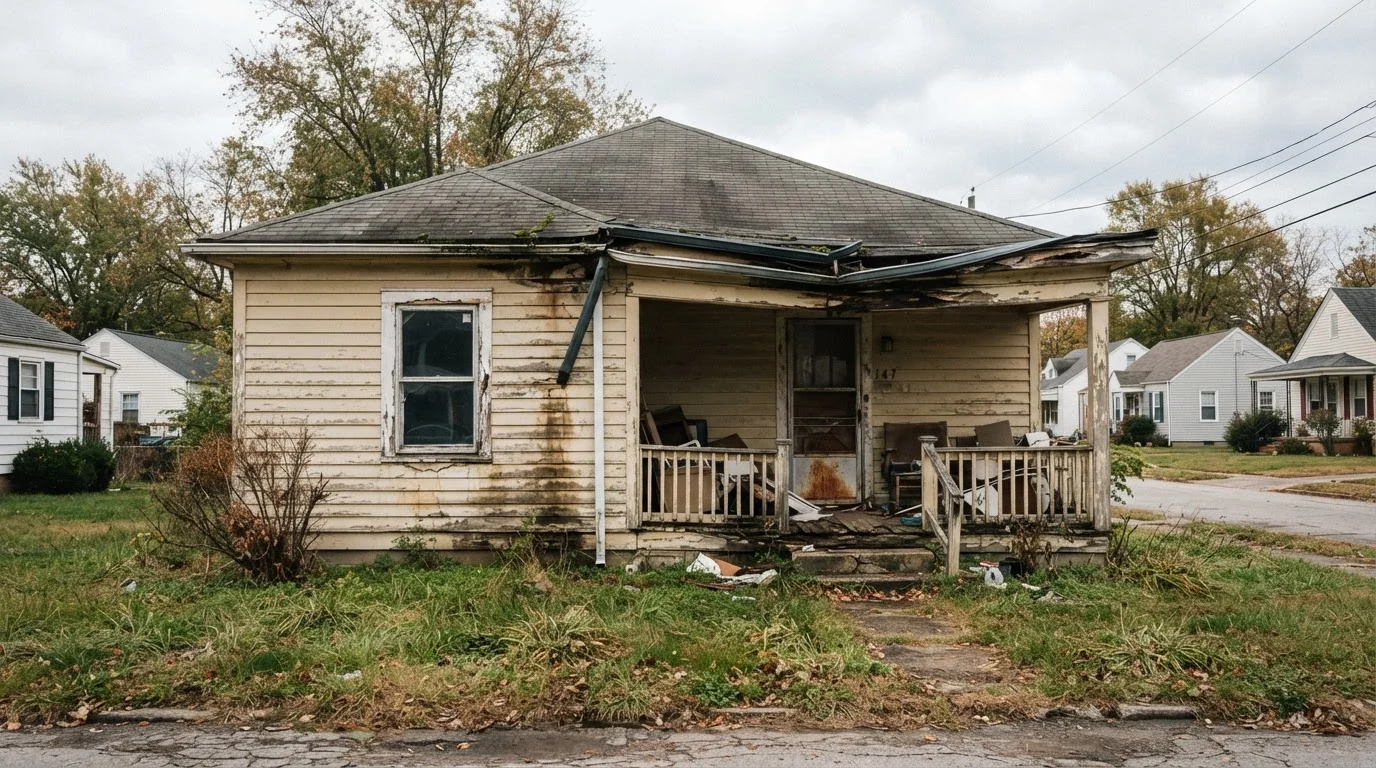
Deferred maintenance refers to repairs and upkeep tasks that homeowners delay or skip, often to save money in the short term. Over time, these postponed tasks allow minor issues - a slow drip, a small crack, a clogged filter - to escalate into significant structural or system failures. The longer the delay, the more expensive the eventual repair typically becomes.
In real estate appraisal, deferred maintenance is formally recognized as a form of physical depreciation that reduces a property's market value and can complicate mortgage appraisals or resale negotiations.
Why Small Repairs Don't Stay Small
A cracked caulk line around a window. A gutter pulling away from the fascia. A furnace filter that hasn't been changed since last winter. Individually, these seem minor - easy to put off until next weekend, next season, or next year. But deferred maintenance doesn't pause while life gets busy. It compounds.
Water finds its way into wall cavities through that cracked caulk, rotting sheathing and framing over months. The sagging gutter channels rainwater toward the foundation instead of away from it. The clogged filter forces the HVAC system to work harder, accelerating wear on the blower motor and heat exchanger. What began as a $15 tube of caulk and a $25 filter replacement can grow into a $4,000 drywall and framing repair or a $3,000 HVAC service call.
This is the core dynamic of deferred maintenance: the cost of action is almost always far lower than the cost of inaction.
When to Call a Licensed Professional
Some maintenance tasks - like inspecting electrical panels, servicing gas appliances, or assessing structural elements - should be handled by licensed professionals, not attempted as DIY projects. Many jurisdictions also require permits for certain repairs. Always verify local codes and requirements before beginning any significant work, and don't hesitate to consult a qualified contractor when safety or code compliance is involved.
The Systems That Compound Fastest
Roofing and moisture control top the list. A missing or cracked shingle allows water to reach the underlayment and decking. Left unaddressed, that moisture spreads - staining ceilings, promoting mold, and eventually compromising structural rafters. A shingle repair might cost a few hundred dollars; rafter replacement and mold remediation can reach five figures.
Plumbing follows a similar trajectory. Slow leaks under sinks or around toilet bases seem trivial but saturate subfloors over time, leading to rot and potential mold. Many homeowners underestimate how quickly water damage escalates - and some common misconceptions about plumbing make the problem worse. See common plumbing myths that often lead to avoidable leaks and repairs.
HVAC systems degrade measurably when maintenance is skipped. Dirty coils, neglected filters, and unlubricated parts reduce efficiency and shorten equipment life. A system that might last 18-20 years with proper care may need replacement in 12-15 years without it.
Exterior surfaces - paint, caulk, and sealants - are the home's first defense against moisture. When they fail, the damage moves inward silently. Repainting at the right interval is far less expensive than replacing rotted siding or window framing.
1-2%
Of home value recommended for annual maintenance
A commonly cited industry guideline suggests homeowners budget 1-2% of their home's purchase price each year for routine upkeep and minor repairs.
$1 to $4+
Cost multiplier when repairs are deferred
Building industry estimates suggest that every $1 of deferred maintenance can generate $4 or more in future repair costs, depending on the system involved and the length of delay.
90%
Of water damage cases involve preventable sources
According to insurance industry analyses, the vast majority of water damage claims stem from gradual, preventable issues like failing seals, aged supply lines, and clogged drainage - not sudden external events.
The Financial Logic of Preventive Upkeep
Preventive maintenance isn't just about avoiding catastrophic repairs - it's about predictability. Routine tasks have known costs that can be budgeted in advance. Emergency repairs arrive unannounced, often requiring expedited labor rates and material markups.
This cost dynamic is worth understanding alongside broader household spending patterns that erode financial stability gradually, without ever feeling like one large decision. Deferred maintenance fits exactly that pattern: each delay feels low-stakes, but the aggregate financial impact can be severe.
Homeowners who build a dedicated maintenance fund - even a modest one - are better positioned to address issues before they escalate. Setting aside funds for home repairs has real tradeoffs worth understanding, but the value of having resources available when a problem arises is difficult to overstate.
Building a Maintenance Habit That Holds
The most effective defense against deferred maintenance isn't a single large effort - it's a consistent rhythm of small, scheduled checks. Seasonal walkthroughs, annual professional inspections for major systems (roof, HVAC, chimney), and simple monthly habits like checking under sinks and clearing debris from gutters catch problems when they're still inexpensive to fix.
A structured approach makes this manageable. A month-by-month home maintenance calendar can help homeowners spread tasks across the year rather than facing a backlog each spring or fall. For those newer to ownership, understanding the core systems and seasonal rhythms is the foundation - what first-time homeowners should know about upkeep provides a practical starting point.
The goal isn't perfection - it's progress. Addressing two or three neglected items per season is more sustainable than a once-a-year scramble, and it reflects how homes actually age: gradually, system by system, year by year.